Millersville University Scholarships
Millersville University Scholarships - If your individuals table is: Let us get a better understanding of the syntax, usage, and practical examples of the string_agg () function in postgresql, using the sample database dvdrental. We‘ll start from the basics and work up to. In this tutorial, you will learn how to use the postgresql string_agg () function to concatenate strings and place a separator between them. Learn how to use the string_agg () function in postgresql to aggregate string values from multiple rows into a single string. This tutorial explains how to use the string_agg function with multiple columns in postgresql, including an example. The postgresql string_agg () aggregate function takes input data and creates strings by concatenating the values. You can concatenate strings separated by delimiter using the string_agg() function. The string_agg() function in postgresql, while seemingly straightforward, is versatile and powerful. In this article, we’ll deep dive into learning about. Group by statement to get names from each. In this comprehensive guide, you‘ll unlock the full power of string aggregation in postgres using the handy string_agg () function. The postgresql string_agg () aggregate function takes input data and creates strings by concatenating the values. This tutorial explains how to use the string_agg function with multiple columns in postgresql, including an example. We‘ll start from the basics and work up to. The string_agg() function in postgresql, while seemingly straightforward, is versatile and powerful. Learn how to use the string_agg () function in postgresql to aggregate string values from multiple rows into a single string. You can concatenate strings separated by delimiter using the string_agg() function. In this tutorial, you will learn how to use the postgresql string_agg () function to concatenate strings and place a separator between them. Let us get a better understanding of the syntax, usage, and practical examples of the string_agg () function in postgresql, using the sample database dvdrental. You can concatenate strings separated by delimiter using the string_agg() function. You can also remove duplicates and order the contents. In this tutorial, you will learn how to use the postgresql string_agg () function to concatenate strings and place a separator between them. The string_agg() function in postgresql, while seemingly straightforward, is versatile and powerful. We‘ll start from the basics. In this article, we’ll deep dive into learning about. Let us get a better understanding of the syntax, usage, and practical examples of the string_agg () function in postgresql, using the sample database dvdrental. If your individuals table is: The string_agg() function in postgresql, while seemingly straightforward, is versatile and powerful. You can concatenate strings separated by delimiter using the. This tutorial explains how to use the string_agg function with multiple columns in postgresql, including an example. The string_agg() function in postgresql, while seemingly straightforward, is versatile and powerful. You can concatenate strings separated by delimiter using the string_agg() function. In this tutorial, you will learn how to use the postgresql string_agg () function to concatenate strings and place a. Group by statement to get names from each. Discover how to use the string_agg () function in sql with examples, common use cases, and error handling tips to optimize your queries. The string_agg() function in postgresql, while seemingly straightforward, is versatile and powerful. In this article, we’ll deep dive into learning about. In this comprehensive guide, you‘ll unlock the full. The string_agg() function in postgresql, while seemingly straightforward, is versatile and powerful. Group by statement to get names from each. In this comprehensive guide, you‘ll unlock the full power of string aggregation in postgres using the handy string_agg () function. By mastering both its fundamental and advanced applications, you can. We‘ll start from the basics and work up to. You can concatenate strings separated by delimiter using the string_agg() function. In this article, we’ll deep dive into learning about. The postgresql string_agg () aggregate function takes input data and creates strings by concatenating the values. You can also remove duplicates and order the contents. Group by statement to get names from each. In this article, we’ll deep dive into learning about. By mastering both its fundamental and advanced applications, you can. Discover how to use the string_agg () function in sql with examples, common use cases, and error handling tips to optimize your queries. The string_agg() function in postgresql, while seemingly straightforward, is versatile and powerful. If your individuals table is: The postgresql string_agg () aggregate function takes input data and creates strings by concatenating the values. In this article, we’ll deep dive into learning about. In this tutorial, you will learn how to use the postgresql string_agg () function to concatenate strings and place a separator between them. Learn how to use the string_agg () function in postgresql to aggregate. You can concatenate strings separated by delimiter using the string_agg() function. In this article, we’ll deep dive into learning about. The postgresql string_agg () aggregate function takes input data and creates strings by concatenating the values. You can also remove duplicates and order the contents. In this comprehensive guide, you‘ll unlock the full power of string aggregation in postgres using. In this comprehensive guide, you‘ll unlock the full power of string aggregation in postgres using the handy string_agg () function. Learn how to use the string_agg () function in postgresql to aggregate string values from multiple rows into a single string. We‘ll start from the basics and work up to. The postgresql string_agg () aggregate function takes input data and. By mastering both its fundamental and advanced applications, you can. The postgresql string_agg () aggregate function takes input data and creates strings by concatenating the values. We‘ll start from the basics and work up to. This tutorial explains how to use the string_agg function with multiple columns in postgresql, including an example. The string_agg() function in postgresql, while seemingly straightforward, is versatile and powerful. In this tutorial, you will learn how to use the postgresql string_agg () function to concatenate strings and place a separator between them. If your individuals table is: Group by statement to get names from each. Discover how to use the string_agg () function in sql with examples, common use cases, and error handling tips to optimize your queries. Learn how to use the string_agg () function in postgresql to aggregate string values from multiple rows into a single string. In this article, we’ll deep dive into learning about. In this comprehensive guide, you‘ll unlock the full power of string aggregation in postgres using the handy string_agg () function.
Level Up What's Next in Scholarships Millersville University

Scholarship Tips & How to Avoid Scams Millersville University

24th Annual Nursing scholarship Symposium by Millersville University

Millersville University Spring 2024 Celebration of Faculty

Financial Aid Videos Millersville University
Millersville University Athletics Spread the news, Marauder alums
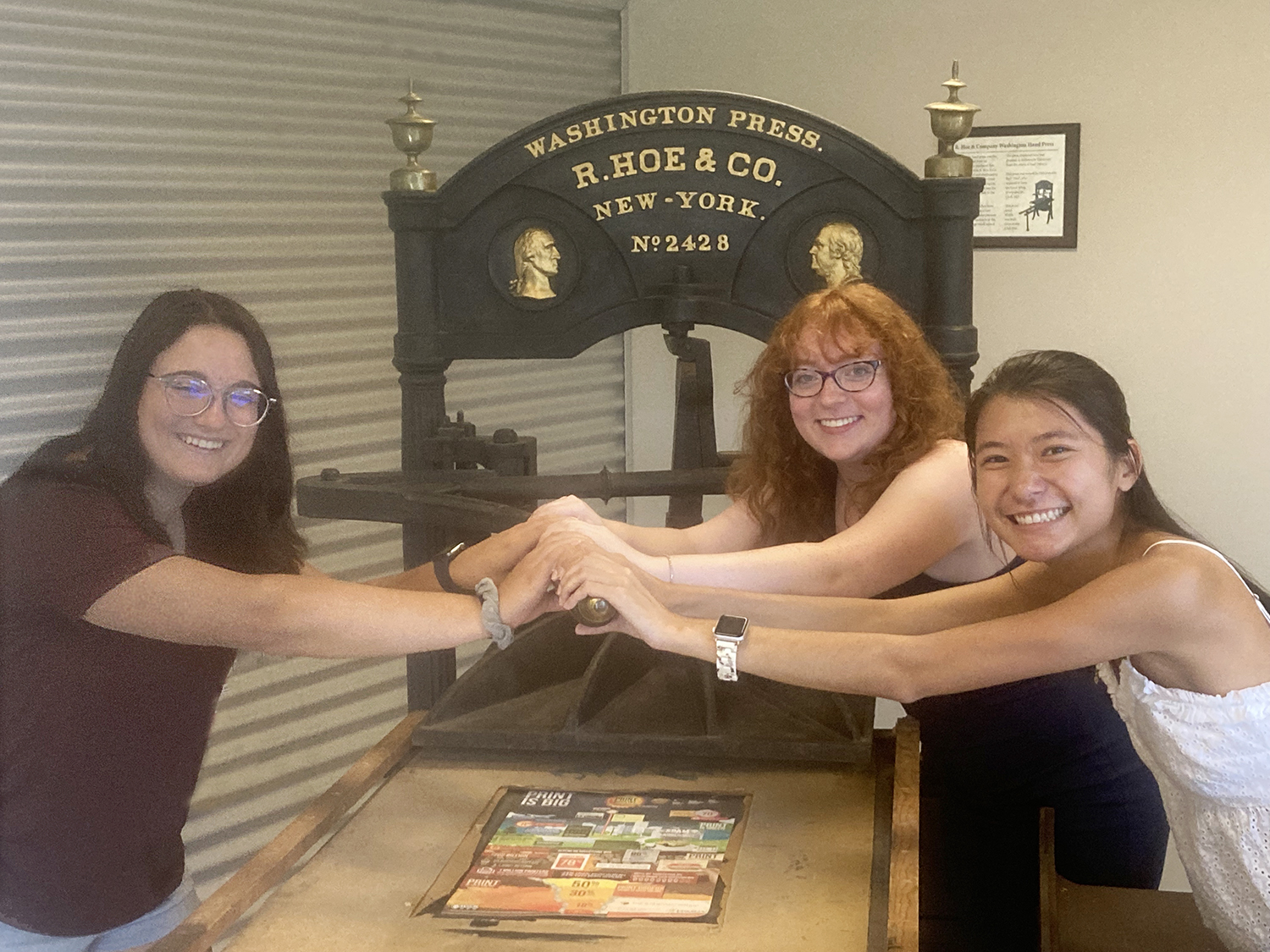
MU Students Awarded Prestigious Scholarships Millersville News

Millersville University Admissions Scholarships Millersville University

Center for Public Scholarship & Social Change Millersville University

Wehreim School of Nursing 26th Scholarship Symposium by Millersville
You Can Also Remove Duplicates And Order The Contents.
Let Us Get A Better Understanding Of The Syntax, Usage, And Practical Examples Of The String_Agg () Function In Postgresql, Using The Sample Database Dvdrental.
You Can Concatenate Strings Separated By Delimiter Using The String_Agg() Function.
Related Post: