Fuller Seminary Scholarships
Fuller Seminary Scholarships - I am interested in knowing the origin of the idiom. Something that is quoted incorrectly is a misquote. Just like the use of the word 'fuller'. I am looking for a word that means to give something to someone without them really having a need for it or wanting it. 'fuller' doesn't make sense when you think about it; However, on this site, i would hope there would be a fuller answer actually explaining how that sentence can be analysed in terms of its grammar/syntax. In itself, up to is open to interpretation on this point, different people may understand things differently unless context makes it clear (or the fuller up to and including is used). Or the worthies of england, in church and state [1]: A misquote can be an error, it can. We use it as an abbreviated form of 'more nearly full'. Also sayo, guarda el sayo, para mayo, keep your great coat for may, that is, do not part with it before may. We use it as an abbreviated form of 'more nearly full'. Dickens, as noted in the novel (chapter 35), took the name from bath coach proprietor, whose name derives from the village of pickwick in england: I am looking for a word that means to give something to someone without them really having a need for it or wanting it. In itself, up to is open to interpretation on this point, different people may understand things differently unless context makes it clear (or the fuller up to and including is used). However, on this site, i would hope there would be a fuller answer actually explaining how that sentence can be analysed in terms of its grammar/syntax. To give away something one doesn't want to someone. Just like the use of the word 'fuller'. Can anyone help me on this? Or the worthies of england, in church and state [1]: 6193 leave not off a clout, till may be out. We use it as an abbreviated form of 'more nearly full'. Similarly, 'more mature' is really shorthand for. In itself, up to is open to interpretation on this point, different people may understand things differently unless context makes it clear (or the fuller up to and including is used). Just. Something that is quoted incorrectly is a misquote. Also sayo, guarda el sayo, para mayo, keep your great coat for may, that is, do not part with it before may. Wondering why make ends meet means to have enough money to live on. 'fuller' doesn't make sense when you think about it; To give away something one doesn't want to. I am looking for a word that means to give something to someone without them really having a need for it or wanting it. Dickens, as noted in the novel (chapter 35), took the name from bath coach proprietor, whose name derives from the village of pickwick in england: I am interested in knowing the origin of the idiom. Or. Wondering why make ends meet means to have enough money to live on. A few of options spring to mind, depending on what you want to say about the quote. 'fuller' doesn't make sense when you think about it; Or the worthies of england, in church and state [1]: Can anyone help me on this? Just like the use of the word 'fuller'. Can anyone help me on this? Something that is quoted incorrectly is a misquote. A few of options spring to mind, depending on what you want to say about the quote. To give away something one doesn't want to someone. Can anyone help me on this? In itself, up to is open to interpretation on this point, different people may understand things differently unless context makes it clear (or the fuller up to and including is used). I am looking for a word that means to give something to someone without them really having a need for it or wanting. In itself, up to is open to interpretation on this point, different people may understand things differently unless context makes it clear (or the fuller up to and including is used). A misquote can be an error, it can. Wondering why make ends meet means to have enough money to live on. Similarly, 'more mature' is really shorthand for. However,. A misquote can be an error, it can. In itself, up to is open to interpretation on this point, different people may understand things differently unless context makes it clear (or the fuller up to and including is used). Just like the use of the word 'fuller'. Dickens, as noted in the novel (chapter 35), took the name from bath. To give away something one doesn't want to someone. Dickens, as noted in the novel (chapter 35), took the name from bath coach proprietor, whose name derives from the village of pickwick in england: 2 so i'm reading a book set in the american south in the beginning of the 1900 and i stumble upon the use of the verb. A misquote can be an error, it can. Just like the use of the word 'fuller'. Or the worthies of england, in church and state [1]: 2 so i'm reading a book set in the american south in the beginning of the 1900 and i stumble upon the use of the verb is with you (you is, is you?) in. To give away something one doesn't want to someone. 2 so i'm reading a book set in the american south in the beginning of the 1900 and i stumble upon the use of the verb is with you (you is, is you?) in conversations: Also sayo, guarda el sayo, para mayo, keep your great coat for may, that is, do not part with it before may. Something that is quoted incorrectly is a misquote. 6193 leave not off a clout, till may be out. Can anyone help me on this? I am interested in knowing the origin of the idiom. Similarly, 'more mature' is really shorthand for. A few of options spring to mind, depending on what you want to say about the quote. We use it as an abbreviated form of 'more nearly full'. A misquote can be an error, it can. Just like the use of the word 'fuller'. Or the worthies of england, in church and state [1]: 'fuller' doesn't make sense when you think about it; I am looking for a word that means to give something to someone without them really having a need for it or wanting it.
About Fuller Seminary Who We Are Fuller Seminary
Fuller Theological Seminary Hispanic Theological Initiative

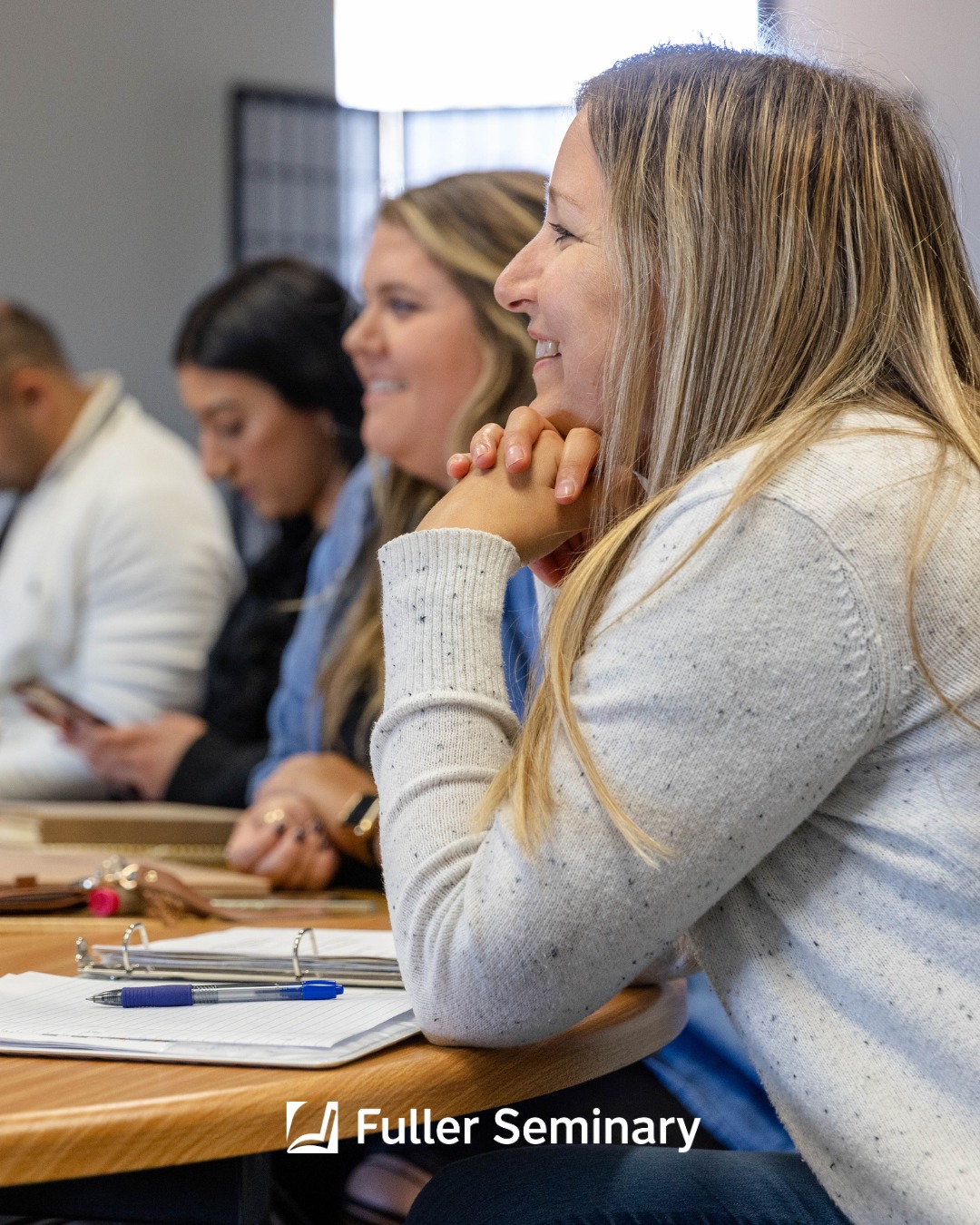
Admissions Fuller Seminary
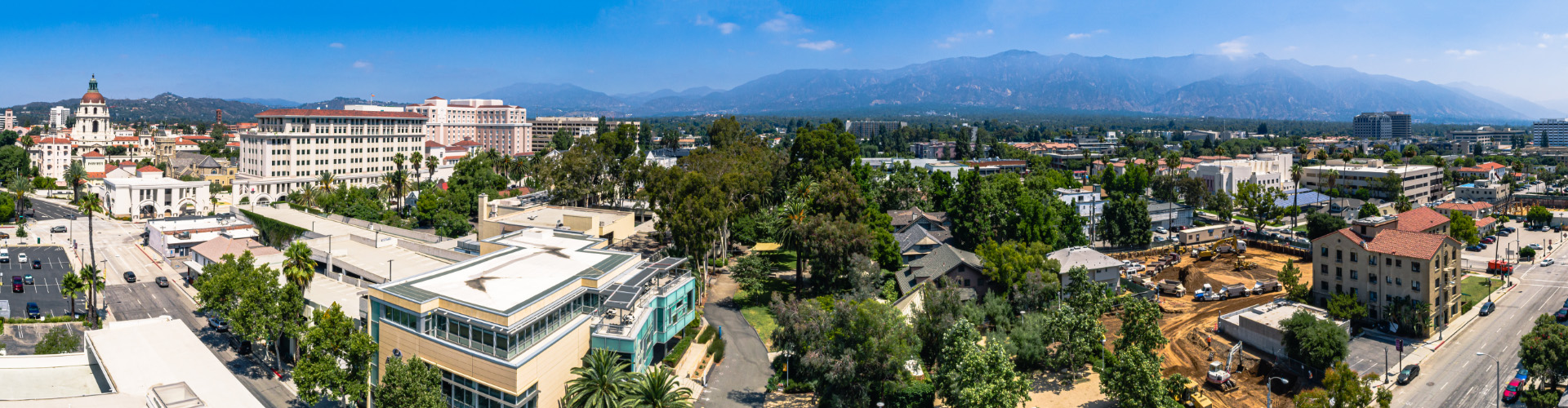
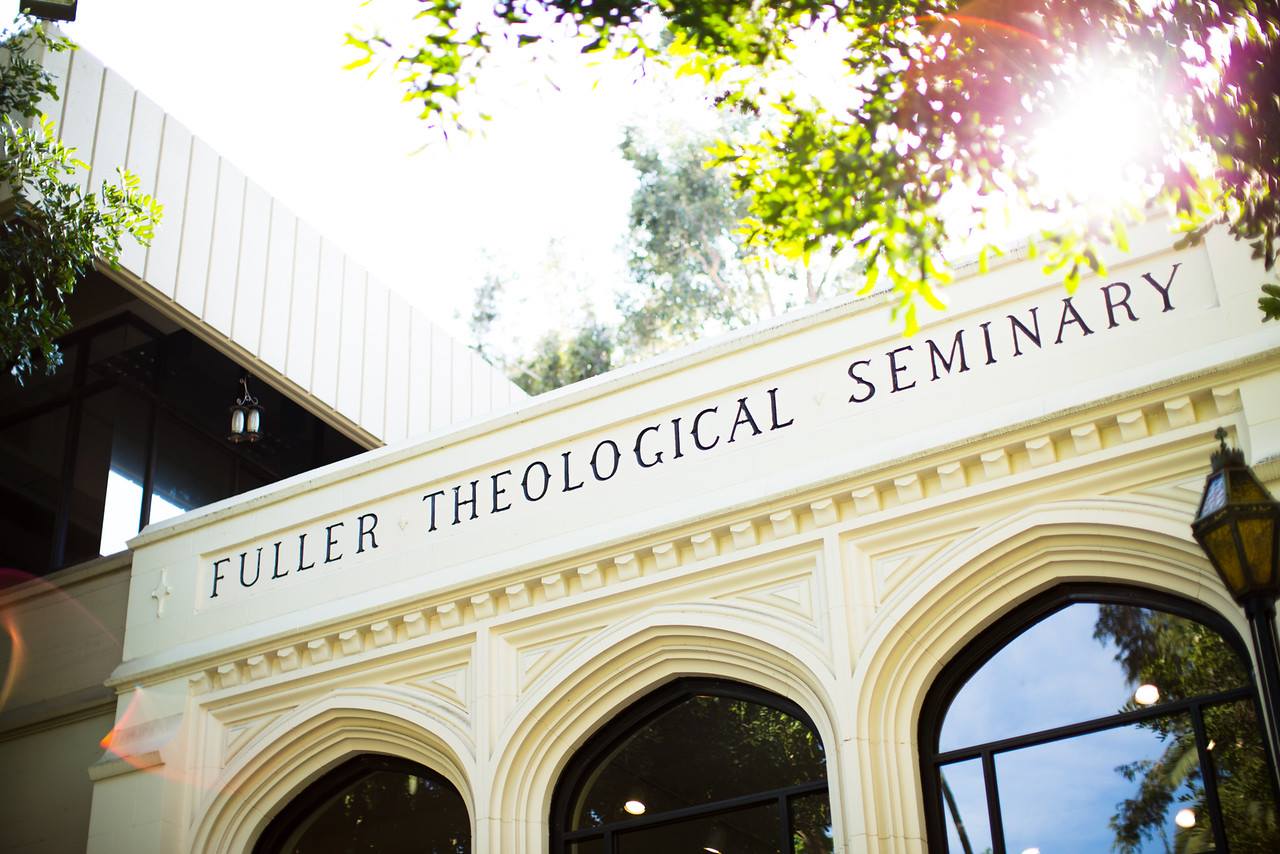
Pasadena Fuller Seminary
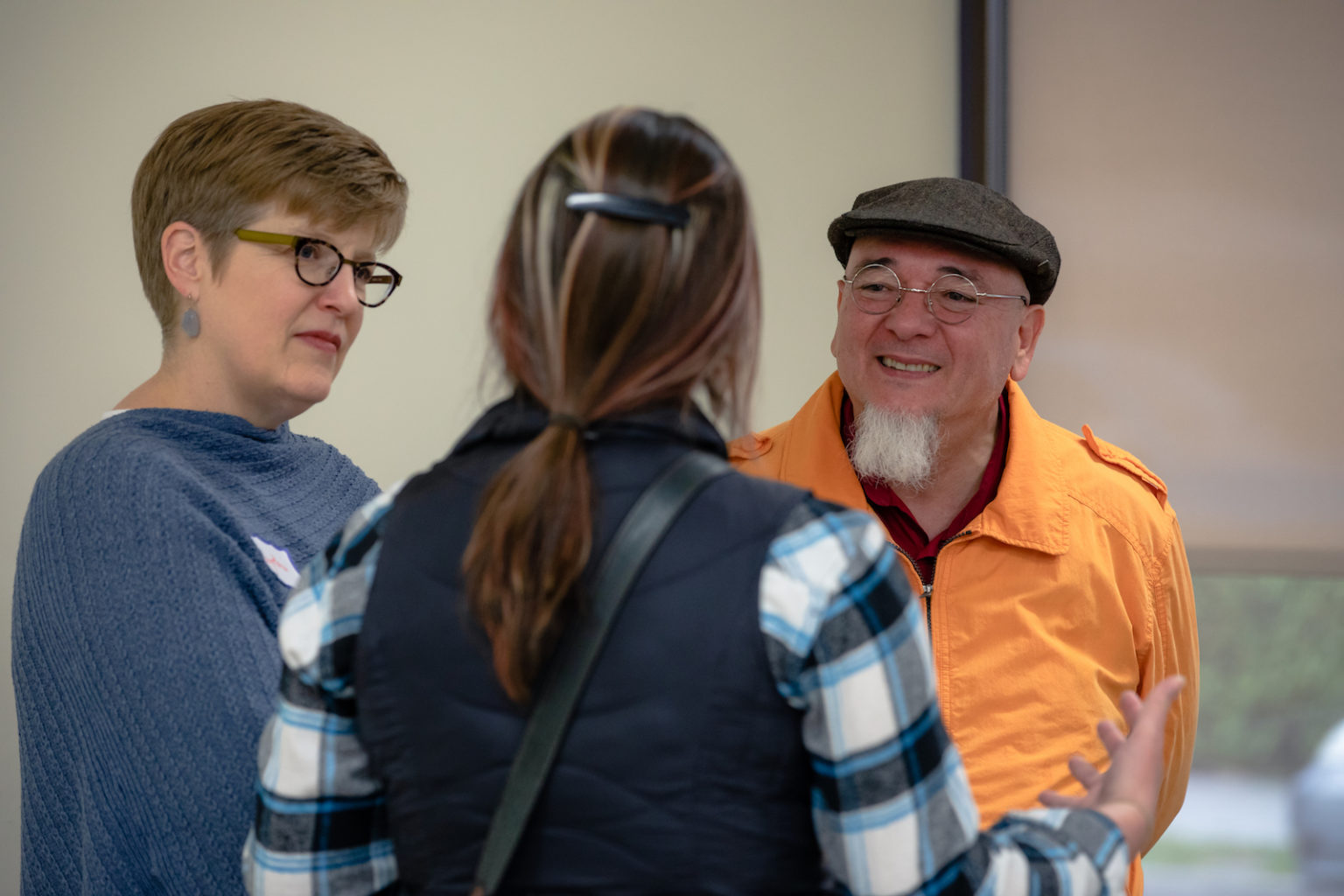
Admissions Fuller Seminary
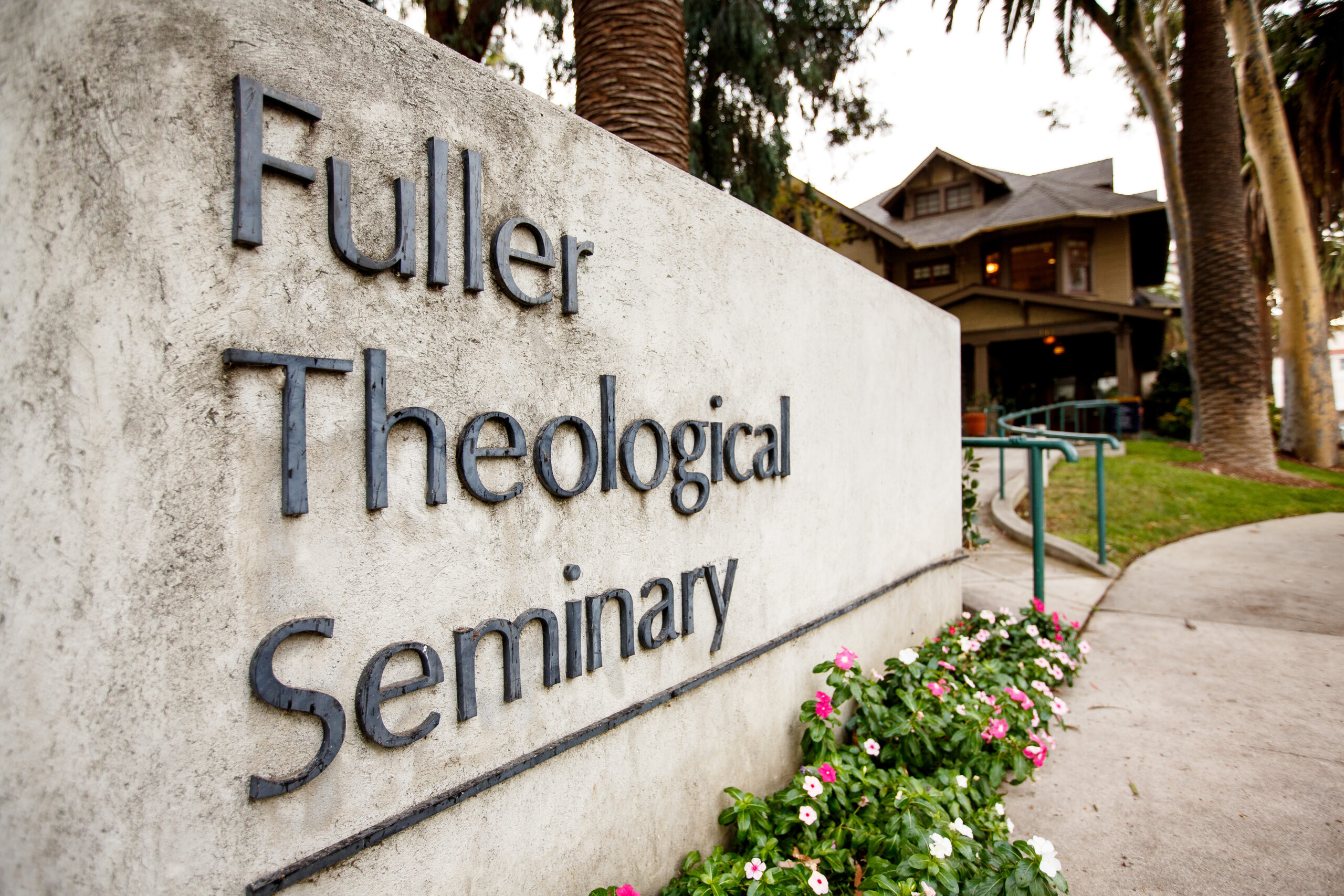
Submit A Transcript With Your Application Fuller Seminary
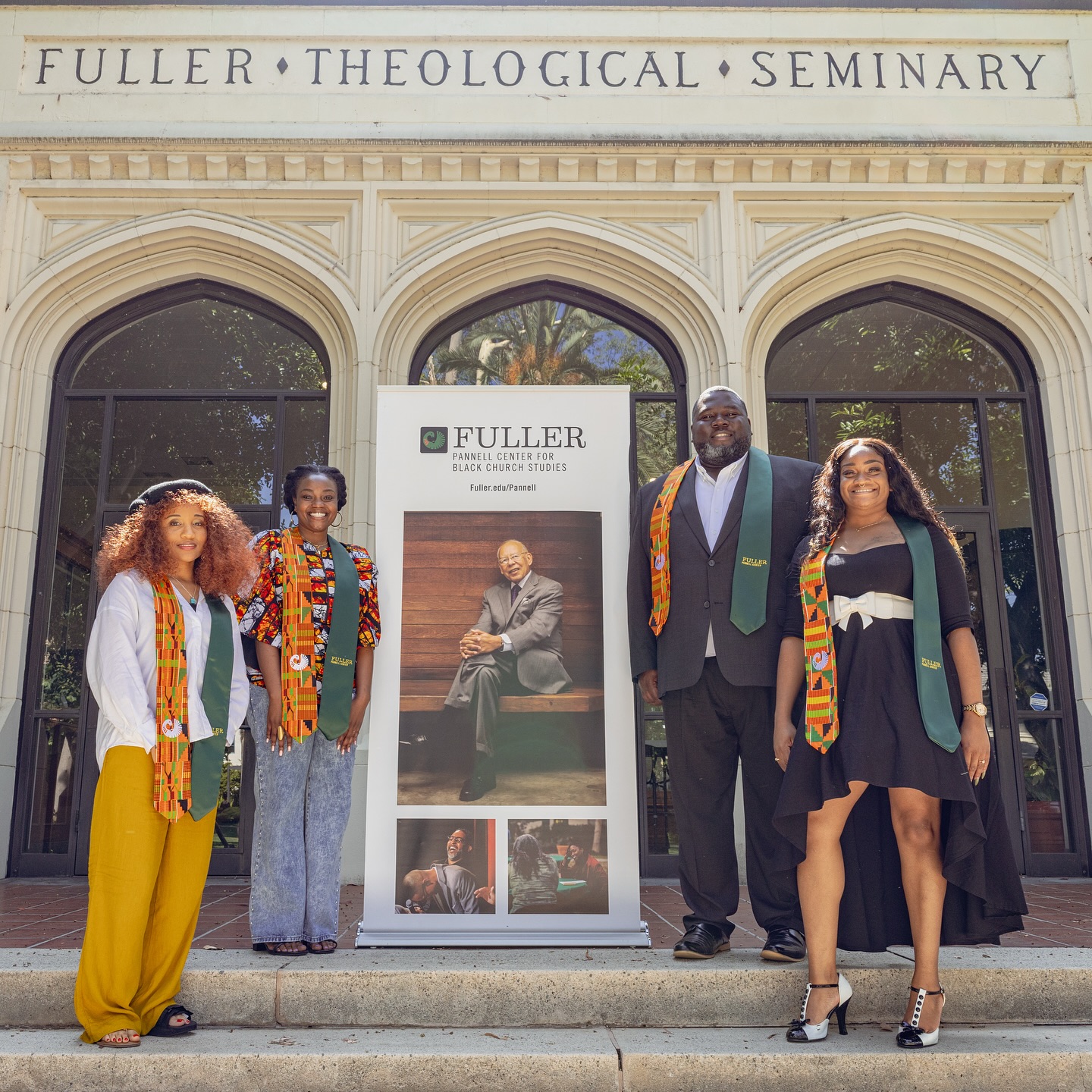
Pannell... Pannell Center at Fuller Theological Seminary
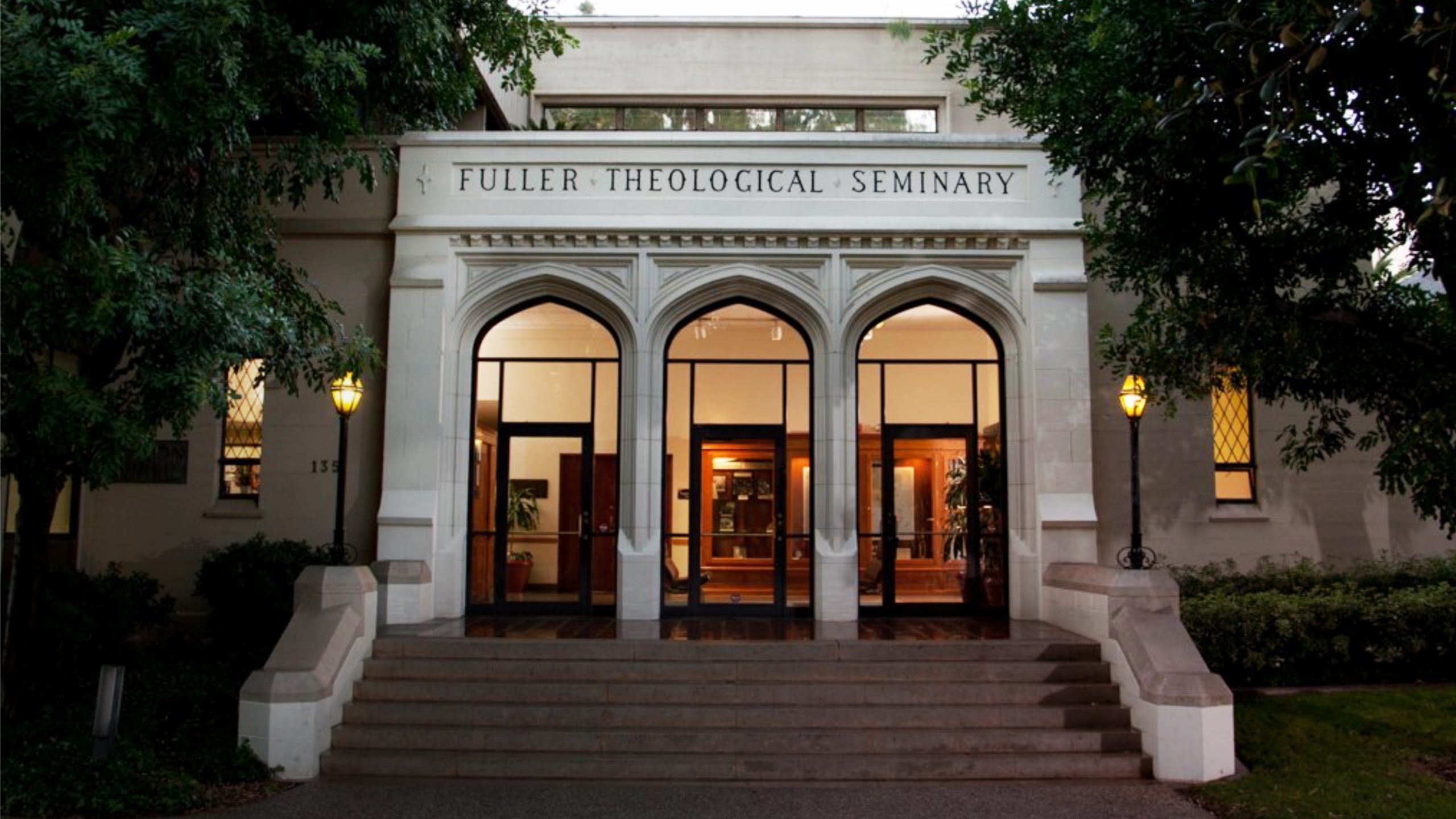
MINISTRY SPOTLIGHT Fuller Theological Seminary MinistryWatch
Fuller Seminary Pasadena CA
Fuller Seminary It’s not too late to help make a world of difference
Dickens, As Noted In The Novel (Chapter 35), Took The Name From Bath Coach Proprietor, Whose Name Derives From The Village Of Pickwick In England:
However, On This Site, I Would Hope There Would Be A Fuller Answer Actually Explaining How That Sentence Can Be Analysed In Terms Of Its Grammar/Syntax.
In Itself, Up To Is Open To Interpretation On This Point, Different People May Understand Things Differently Unless Context Makes It Clear (Or The Fuller Up To And Including Is Used).
Wondering Why Make Ends Meet Means To Have Enough Money To Live On.
Related Post: