Andhra Pradesh Scholarship
Andhra Pradesh Scholarship - The mother and father of an affected child carry a gene change that can cause tyrosinemia type i. Tyrosinemia type iii (ht iii) is the rarest form of tyrosinemia, and the full clinical spectrum of this disorder is still unknown. Hereditary tyrosinemia type 1 is a rare genetic disorder leading to liver cirrhosis and hepatocellular carcinoma. There are three types of tyrosinemia (i, ii, and iii) disorders. Few decades ago, dietary measures and ultimately. Elevated blood tyrosine levels are associated with several clinical entities. Tyrosinemia type 1 tyrosinemia is an autosomal recessive disorder with an incidence of 1 in 100,000 live births. Tyrosinemia type i is a genetic disorder that is passed on (inherited) from parents to a child. The term tyrosinemia was first given to a clinical entity based on observations (eg, elevated blood tyrosine levels). Hypertyrosinemia encompasses several entities, of which tyrosinemia type i (or hepatorenal tyrosinemia, ht1) results in the most extensive clinical and pathological manifestations. How is type i different from type ii and type iii? Few decades ago, dietary measures and ultimately. Common symptoms include hepatosplenomegaly, severe joint pain,. Tyrosinemia type ii is characterized by corneal dystrophy, painful palmoplantar hyperkeratosis, and variable intellectual disability. Tyrosinemia type i there are three different types of tyrosinemia. The neurological involvement varies, including intellectual impairment. The term tyrosinemia was first given to a clinical entity based on observations (eg, elevated blood tyrosine levels). Tyrosinemia type ii and iii are autosomal recessive disorders caused by. There are five types of gaucher disease including type 1, type 2, type 3, perinatal lethal and cardiovascular. Tyrosinemia type 1 tyrosinemia is an autosomal recessive disorder with an incidence of 1 in 100,000 live births. It results from deficiency of fumarylacetoacetate hydrolase, the enzyme. Common symptoms include hepatosplenomegaly, severe joint pain,. The mother and father of an affected child carry a gene change that can cause tyrosinemia type i. Tyrosinemia type iii (ht iii) is the rarest form of tyrosinemia, and the full clinical spectrum of this disorder is still unknown. Tyrosinemia type i is. Few decades ago, dietary measures and ultimately. There are three types of tyrosinemia (i, ii, and iii) disorders. How is type i different from type ii and type iii? It is a rare disease with its incidence or prevalence in india unknown. The neurological involvement varies, including intellectual impairment. How is type i different from type ii and type iii? Unlike tyrosinemia types 2 and 3, tyrosinemia type 1 has elevated succinylaceone, which is pathognomonic for that type. It is a rare disease with its incidence or prevalence in india unknown. Tyrosinemia type i there are three different types of tyrosinemia. There are five types of gaucher disease including. How is type i different from type ii and type iii? Hypertyrosinemia encompasses several entities, of which tyrosinemia type i (or hepatorenal tyrosinemia, ht1) results in the most extensive clinical and pathological manifestations. Tyrosinemia type ii is characterized by corneal dystrophy, painful palmoplantar hyperkeratosis, and variable intellectual disability. Unlike tyrosinemia types 2 and 3, tyrosinemia type 1 has elevated succinylaceone,. How is type i different from type ii and type iii? Tyrosinemia type ii and iii are autosomal recessive disorders caused by. Tyrosinemia type i there are three different types of tyrosinemia. Tyrosinemia type iii (ht iii) is the rarest form of tyrosinemia, and the full clinical spectrum of this disorder is still unknown. Tyrosinemia type i is a genetic. Elevated blood tyrosine levels are associated with several clinical entities. The term tyrosinemia was first given to a clinical entity based on observations (eg, elevated blood tyrosine levels). Hereditary tyrosinemia type 1 is a rare genetic disorder leading to liver cirrhosis and hepatocellular carcinoma. The neurological involvement varies, including intellectual impairment. Tyrosinemia type 1 tyrosinemia is an autosomal recessive disorder. Tyrosinemia type i is a hereditary metabolic disorder primarily affecting the liver and kidneys, caused by mutations in the fah gene that disrupt the breakdown of the amino acid tyrosine. How is type i different from type ii and type iii? The mother and father of an affected child carry a gene change that can cause tyrosinemia type i. Tyrosinemia. Hypertyrosinemia encompasses several entities, of which tyrosinemia type i (or hepatorenal tyrosinemia, ht1) results in the most extensive clinical and pathological manifestations. Hereditary tyrosinemia type 1 is a rare genetic disorder leading to liver cirrhosis and hepatocellular carcinoma. Tyrosinemia type i is a genetic disorder that is passed on (inherited) from parents to a child. There are three types of. The mother and father of an affected child carry a gene change that can cause tyrosinemia type i. Individuals diagnosed and treated from early infancy may be. Elevated blood tyrosine levels are associated with several clinical entities. Hereditary tyrosinemia type 1 is a rare genetic disorder leading to liver cirrhosis and hepatocellular carcinoma. Unlike tyrosinemia types 2 and 3, tyrosinemia. Hypertyrosinemia encompasses several entities, of which tyrosinemia type i (or hepatorenal tyrosinemia, ht1) results in the most extensive clinical and pathological manifestations. The mother and father of an affected child carry a gene change that can cause tyrosinemia type i. There are five types of gaucher disease including type 1, type 2, type 3, perinatal lethal and cardiovascular. Tyrosinemia type. It results from deficiency of fumarylacetoacetate hydrolase, the enzyme. It is a rare disease with its incidence or prevalence in india unknown. The neurological involvement varies, including intellectual impairment. Tyrosinemia type ii is characterized by corneal dystrophy, painful palmoplantar hyperkeratosis, and variable intellectual disability. There are five types of gaucher disease including type 1, type 2, type 3, perinatal lethal and cardiovascular. Unlike tyrosinemia types 2 and 3, tyrosinemia type 1 has elevated succinylaceone, which is pathognomonic for that type. Hereditary tyrosinemia type 1 is a rare genetic disorder leading to liver cirrhosis and hepatocellular carcinoma. There are three types of tyrosinemia (i, ii, and iii) disorders. Tyrosinemia type ii and iii are autosomal recessive disorders caused by. Few decades ago, dietary measures and ultimately. Each type of tyrosinemia is caused by a deficiency in different enzymes. Individuals diagnosed and treated from early infancy may be. Tyrosinemia type i there are three different types of tyrosinemia. Common symptoms include hepatosplenomegaly, severe joint pain,. Tyrosinemia type iii (ht iii) is the rarest form of tyrosinemia, and the full clinical spectrum of this disorder is still unknown. How is type i different from type ii and type iii?
Top Scholarships for Andhra Pradesh Students 2025 Announced Across

AP NMMS Admit Card OUT bse.ap.gov.in; Andhra Pradesh Scholarship Exam

EPASS Online Scholarship Platform Andhra Pradesh IndiaFilings
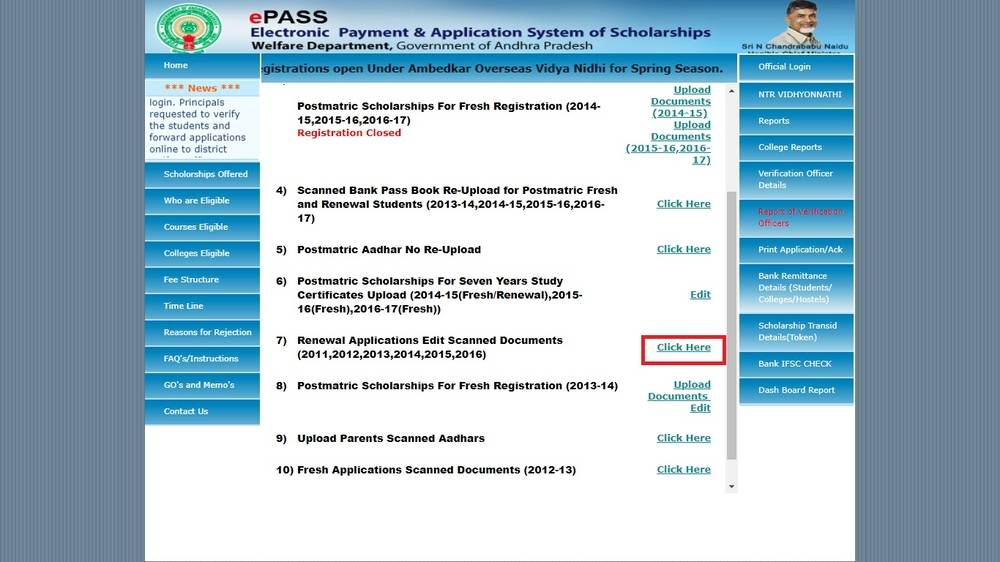
EPASS Online Scholarship Platform Andhra Pradesh IndiaFilings

Class 11 and 12 Scholarship CIGMA Pedia

PPT Andhra Pradesh Scholarship 2021 Guestpostconverted PowerPoint
Career Pravaas 🌟 Don't Miss Out! Scholarship Alert Your Path to

EPASS Online Scholarship Platform Andhra Pradesh IndiaFilings

Vidyadhan Andhra Pradesh Intermediate (1st Year) Scholarship 2025 www

AP Scholarship Online Apply 2024, Andhra Pradesh Scholarship
The Mother And Father Of An Affected Child Carry A Gene Change That Can Cause Tyrosinemia Type I.
Tyrosinemia Type I Is A Genetic Disorder That Is Passed On (Inherited) From Parents To A Child.
Tyrosinemia Type I Is A Hereditary Metabolic Disorder Primarily Affecting The Liver And Kidneys, Caused By Mutations In The Fah Gene That Disrupt The Breakdown Of The Amino Acid Tyrosine.
Hypertyrosinemia Encompasses Several Entities, Of Which Tyrosinemia Type I (Or Hepatorenal Tyrosinemia, Ht1) Results In The Most Extensive Clinical And Pathological Manifestations.
Related Post: